

Historical Monuments and Memorials in Raseborg
In Raseborg there are many traces of the wars of the early 20th century. There are also a number of other historically significant sites dating back several hundred years. Follow the footsteps of history through the monuments in Raseborg, from the devastating prison camp in Dragsvik to boulders from the Ice Age.
The Finnish Civil War (1918)
The Finnish Civil War between the Finnish Whites and the Finnish Reds resulted in tragic losses. Over 37,000 people were killed, and the war left deep wounds that had a strong impact on the history of newly independent Finland. In Raseborg, numerous memorials have been erected in honor of those who lost their lives in the wars.
The prison camp in Dragsvik was put into use by the Finnish Whites in 1918 during the civil war. Approximately 3,000 Finnish Reds who died of hunger and hardship in terrible conditions are buried here. The camp has one of the highest death rates in the country – almost one in three of the prisoners brought to the camp lost their life. In 1951, a memorial made of red granite, created by Uuno F. Inkinen, was raised at the site of the camp. In 2008, the memorial was accompanied by a permanent exhibition with information about the history of the prison camp. On the 100th anniversary in 2018, thousands of people gathered to honor the memory of the deceased.
There are also memorials dedicated to the Reds at the church cemetery in Pojo, at St. Olof’s cemetery in Karis, at the cemetery in Bromarv, and at Tenala cemetery. At the new cemetery in Ekenäs, there is a memorial for the German soldiers who aided the white side in the war and was unveiled in 1922.
The Winter and the Continuation War
The Second World War left its mark on Raseborg. If you’re interested in the life of soldiers on the front lines, you can visit Hanko Front Museum located on the border between the cities of Hanko and Raseborg. The museum tells the story of the Hanko front during the war with its exhibitions, bunkers and trenches. While you’re there, take the opportunity to visit Irma Bunker museum, just 5 km away, which is open in the summer and showcases everyday life in the bunkers. Towards Hanko, you will also find the Mannerheim Memorial Stone, erected in memory of the time when Marshal Mannerheim received the troops that recaptured Hanko from the Soviet Union.
Until 2009, Ekenäs and the city of Ystad in Sweden had a long-standing partnership as twin towns. In Ekenäs, you will find the statue Måsarna (Seagulls), which was erected in memory of the help that Ystad gave to Ekenäs during the war years 1939–1944. The seagulls fly towards Ystad, and the memorial was unveiled in 1963
Ekenäs is also home to Pansarstenen, a tank memorial put up by veterans of Tammidivisionen who fought bravely on the Hanko front. Nearby in Våghusparken, you’ll find the Mannerheim Knights Memorial, honoring double Mannerheim Knight Hans-Henrik Wind and Mannerheim Knight Tor Lindblad.
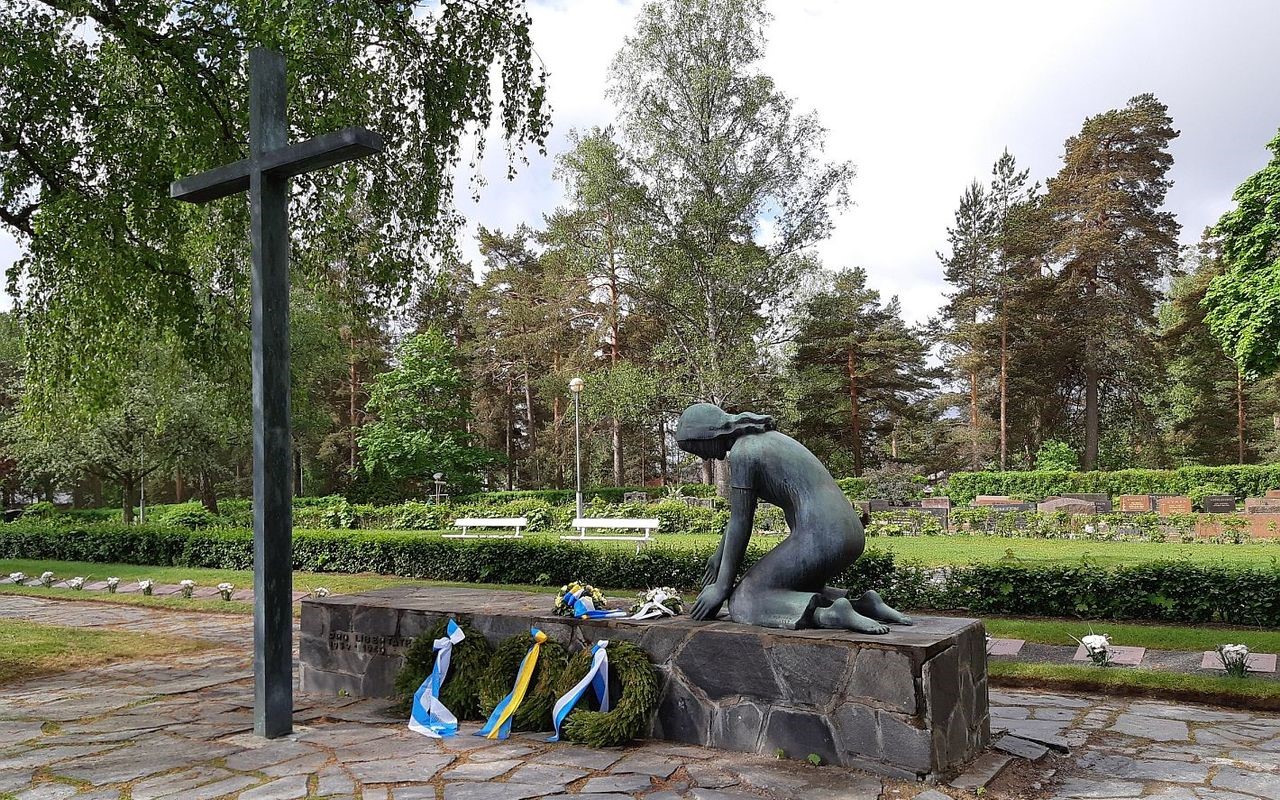
In the new cemetery in Ekenäs you will find the War Memorial “Nytt liv” – New Life, created by Gunnar Elfgren and B. Mattson (1952). At Snappertuna church you can find more hero graves in memory of those who fought for the freedom of Finland.
Other historic gems
The area of Raseborg has a rich history dating back to the 12th century. In Ekenäs you will find the King Gustav Vasa Memorial Stone. Gustav Vasa founded Ekenäs in 1546 and the statue was erected in honor of the city’s 400th anniversary in 1946. Close by at Basatorget, you will come across a pillory that was used in medieval and Renaissance times as a form of punishment and public humiliation.
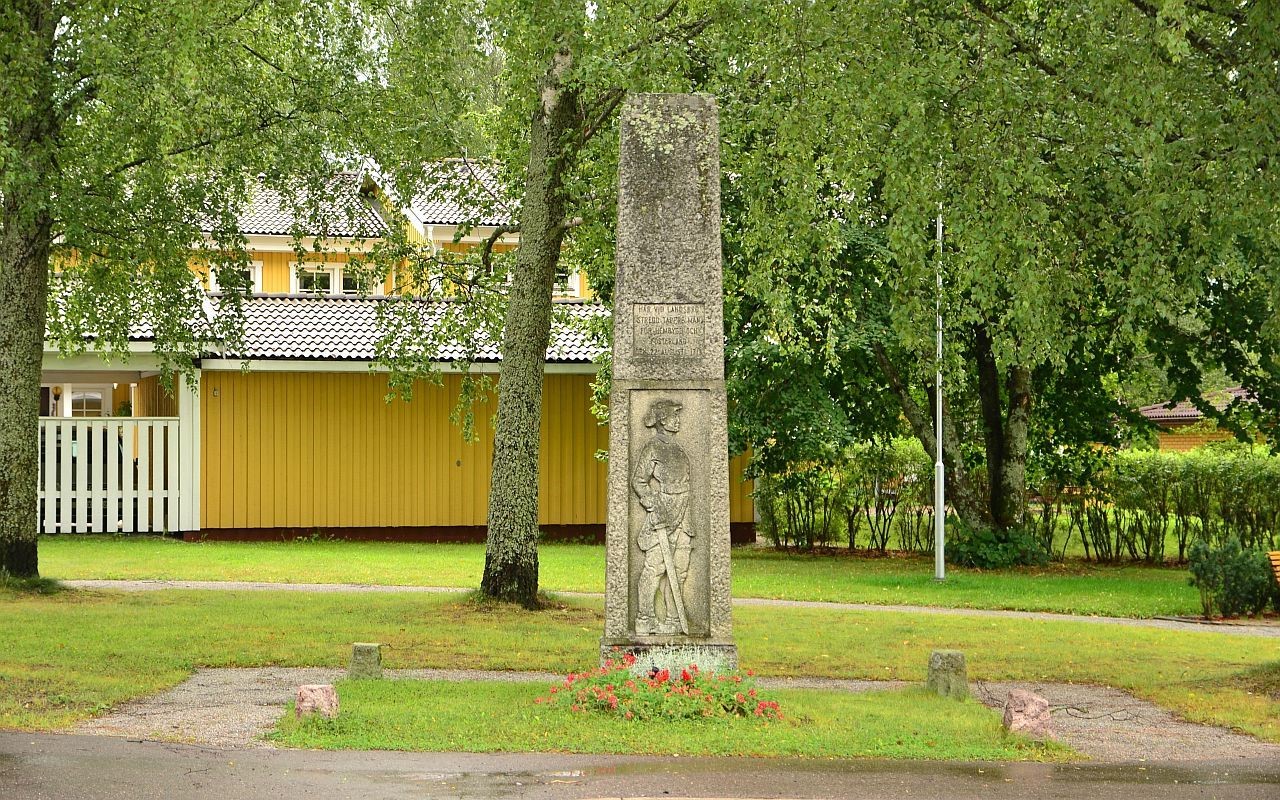
Older war history can be found in Karis, for example the Landsbro Monument, commemorating the Battle of Landsbro in 1713 – a battle between Sweden and Russia and was sculpted by Bertel Nilsson in 1934.
Raseborg Castle was built in 1370s on a rock that was surrounded by sea at the time. It was constructed as the administrative centre of Western Uusimaa and was meant to keep watch over the shipping and trade in the Gulf of Finland. The castle was an important military base, and was presumably meant to defend Swedish interests against the successful Hanseatic town Reval (Tallinn, Estonia). The castle was abandoned in 1558 after Helsinki and Ekenäs were granted town charters. It laid deserted for more than 300 years.
Malmbacka in Snappertuna is a culturally and historically significant traditional charcoal village, where you can spend the night. Here you can enjoy our beautiful nature year-round, make hiking and bicycle trips, spend vacation days, and experience countryside peace and quiet at its best. The village consists of charcoal workers’ huts and small timber cottages, without electricity. Every year, Malmbacka hosts the traditional Charcoal Burner’s Weekend, where visitors can experience the magic of historic charcoal production.
If you want to go even further back in history, you can discover the Ramunder Rock in Ekenäs, which is a giant boulder from the Ice Age. According to legend, the stone was hurled at the giants by the mighty Ramunder.
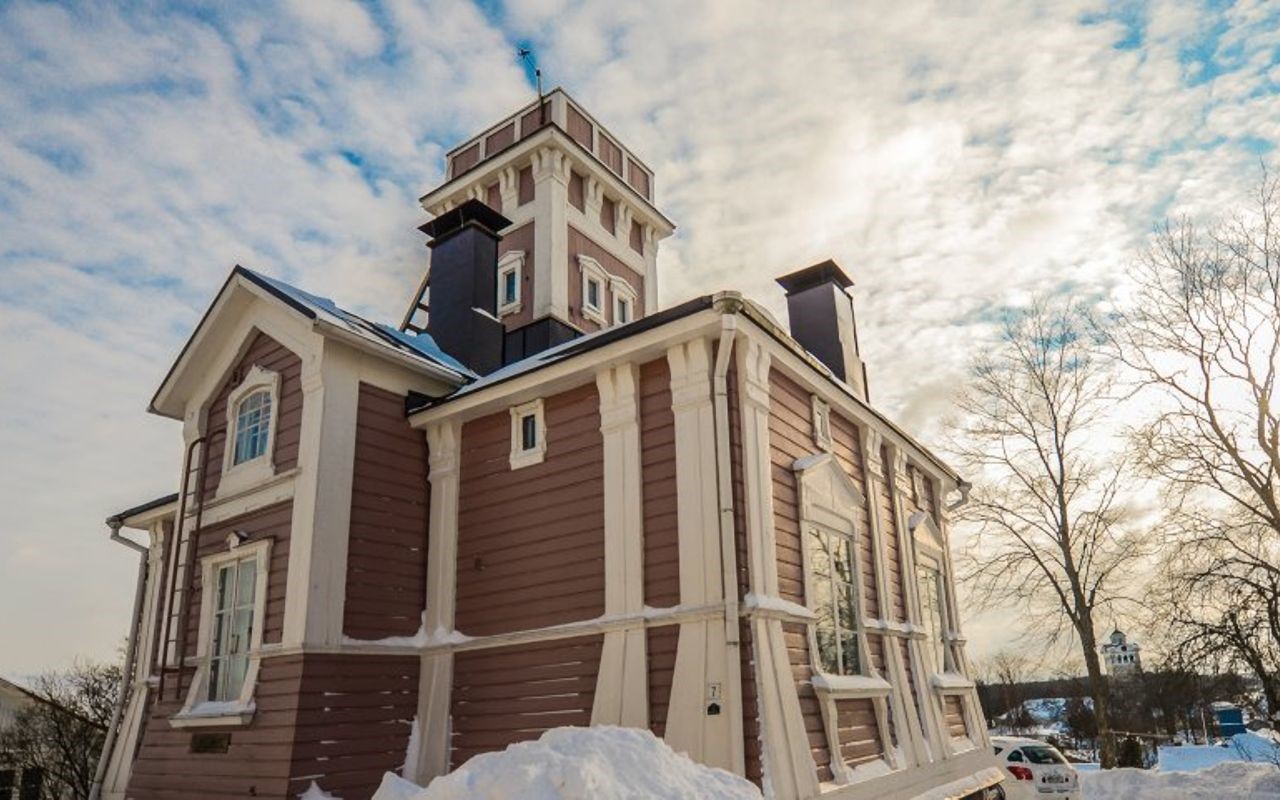
The beautiful old fire tower in Ekenäs was designed by architect Constantin Kiseleff and built in 1875. The tower served as a prison until 1898, when the prison was moved to the basement of the Old Town Hall. Today, the old fire tower is privately owned.
Whether you’re interested in more recent history or ancient artifacts, you will surely find something of interest in Raseborg. Take the opportunity to discover the past of Raseborg, either with one of our professional guides or on your own. A brief summary of interesting monuments and sculptures in Raseborg can be found here.